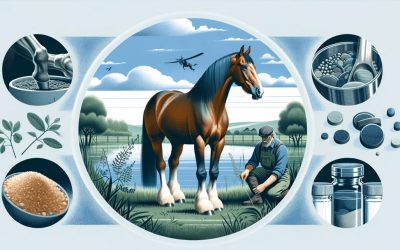


Farriery is a profound blend of art, science, and craftsmanship dedicated to the well-being of our equine companions. It’s the practice of providing expert hoof care, ensuring that horses are not only sound and healthy but also prepared to excel in their respective roles, whether that’s in the show ring, on the trail, or in the field. In this comprehensive exploration of farriery insights, we’ll delve into the fascinating world of equine hoof care, from its rich history to the intricacies of modern-day techniques.
A Historical Perspective:
Farriery traces its roots back centuries, with ancient civilizations recognizing the importance of properly cared-for hooves. From Roman horseshoes to medieval blacksmiths, the history of farriery is a testament to humanity’s enduring connection with horses.
Understanding Equine Hoof Anatomy:
Before diving into the art of farriery, it’s essential to comprehend the intricacies of equine hoof anatomy. The hoof is a marvel of nature, consisting of various components, each serving a vital function in supporting the horse’s weight and facilitating movement. A deep understanding of this anatomy is the foundation of effective hoof care.
Modern Farriery Techniques:
Modern farriers are skilled professionals who employ a range of techniques to address various hoof issues and ensure the horse’s well-being. From trimming and shoeing to specialized corrective measures, farriers tailor their approach to meet each horse’s unique needs.
The Importance of Balance:
Balancing the horse’s hooves is a fundamental aspect of farriery. Proper balance promotes even weight distribution, soundness, and comfortable movement. Farriers assess the horse’s conformation and gait to determine the ideal balance for each individual.
Corrective Shoeing:
Corrective shoeing is a specialized area of farriery that focuses on addressing specific hoof problems or gait abnormalities. Conditions like laminitis, navicular disease, and hoof imbalances can be managed or mitigated through expert corrective measures.
The Artistry of Handmade Shoes:
While machine-made horseshoes are widely available, many farriers take pride in crafting custom handmade shoes. These shoes are meticulously tailored to the horse’s hooves, offering an unmatched level of precision and support.
Hot and Cold Shoeing:
Farriers employ both hot and cold shoeing techniques to meet the diverse needs of horses. Hot shoeing involves heating the shoe to shape it, while cold shoeing involves working with unheated shoes. Each method has its advantages, depending on the situation.
Farriery as a Lifelong Journey:
Becoming a skilled farrier is a lifelong journey of learning and refinement. Dedicated farriers continually educate themselves to stay up-to-date with the latest techniques and advancements in hoof care.
Conclusion:
Farriery is a multifaceted discipline that encompasses science, art, and craftsmanship, all in service of the horse’s well-being. A skilled farrier is not only a hoof care expert but also a steward of the horse’s health and performance. By understanding the rich history, modern techniques, and dedication required in this field, we gain a profound appreciation for the vital role farriery plays in the equestrian world.